
Pasture Newsletter
- Condensed Tannin plants for Animal Health
- Benefits of Sunflowers!
- Crimson clover
- Seed Newsletter- Spring 2024
- Spring sowing options!
- Kraken Forage Barley option grows
- Plant tannins for bloat control- Jan 2024
- Seed Newsletter December 2023
- Autumn Recovery for Lucerne
- Forage Barley – The Superior Multi-Graze Cereal Forage
- Clovers for Re-Sowing Slips
- December 2021
- Multispecies Forages as Alternatives to Perennial Ryegrass
- The Benefits of Annual Clovers and Hard Seededness
- July 2021
- Remarkable Rubitas Results June 2020
- Marlborough Popcorn Harvest 2020
- Blairich visit June 2019
- January 2019
- May 2018-2
- May 2018
- March 2018-3
- March 2018-2
- March 2018
- February 2018
- November 2017
- April 2017
- March 2017
- February 2017
- January 2017
- December 2016
- December 2016 2
- June 2016
- March 2016
- November 2015
- June 2015
- March 2015
- December 2014
- November 2014
- January 2014
- December 2 2013
- December 2013
- November 2013
- October 2013
- Farm Brochure
Main Newsletter
Multispecies Forages as Alternatives to Perennial Ryegrass
A five year study conducted by Dr Anna Thomson as part of the DiverseForages Project has produced some positive results for multispecies pastures. The aim of the the DiverseForages Project is "to achieve acceptable yields of good quality forage for livestock production whilst having a positive and long term impact on the environment."
Conclusions from the study:
Multispecies pastures...
- containing legumes with no N fertilisation, can be as productive as fertilised perennial ryegrass pastures.
- perform considerably better than perennial ryegrass pastures in years of drought.
- can support the same growth rate as perennial ryegrass whilst reducing methane output per kilo of feed consumed.
- retain their species richness and are less prone to weed ingress over time, than perennial ryegrass pastures.
Information from the study is below, referenced from the School of Agriculture, Policy and Development, University of Reading.
What are diverse forages?
There are many plants other than ryegrass that can be used for forage including legumes (e.g. clover) and herbs/forbs (e.g. chicory or plantain). Research has shown that grass pasture can be enhanced by the addition of legumes and herbs. Legumes capture atmospheric nitrogen as compounds that are used by the plant, replacing the need for nitrogen fertiliser, and some legume/herb species are deep rooting, improving soil structure and providing resilience to drought and flooding. In this way, mixed species work together to fulfil different ecosystem functions, potentially increasing forage yield of the whole pasture above the yield of any one species sown alone.

Mix Components
Three forage mixtures comprising six, twelve or seventeen species were established and compared to fertilised perennial ryegrass at multiple research sites and farms running from 2016-20. The composition of the experimental seed mixtures is shown below.
Hamish Stace - Kiwi Seed Agronomist
The Benefits of Annual Clovers and Hard Seededness
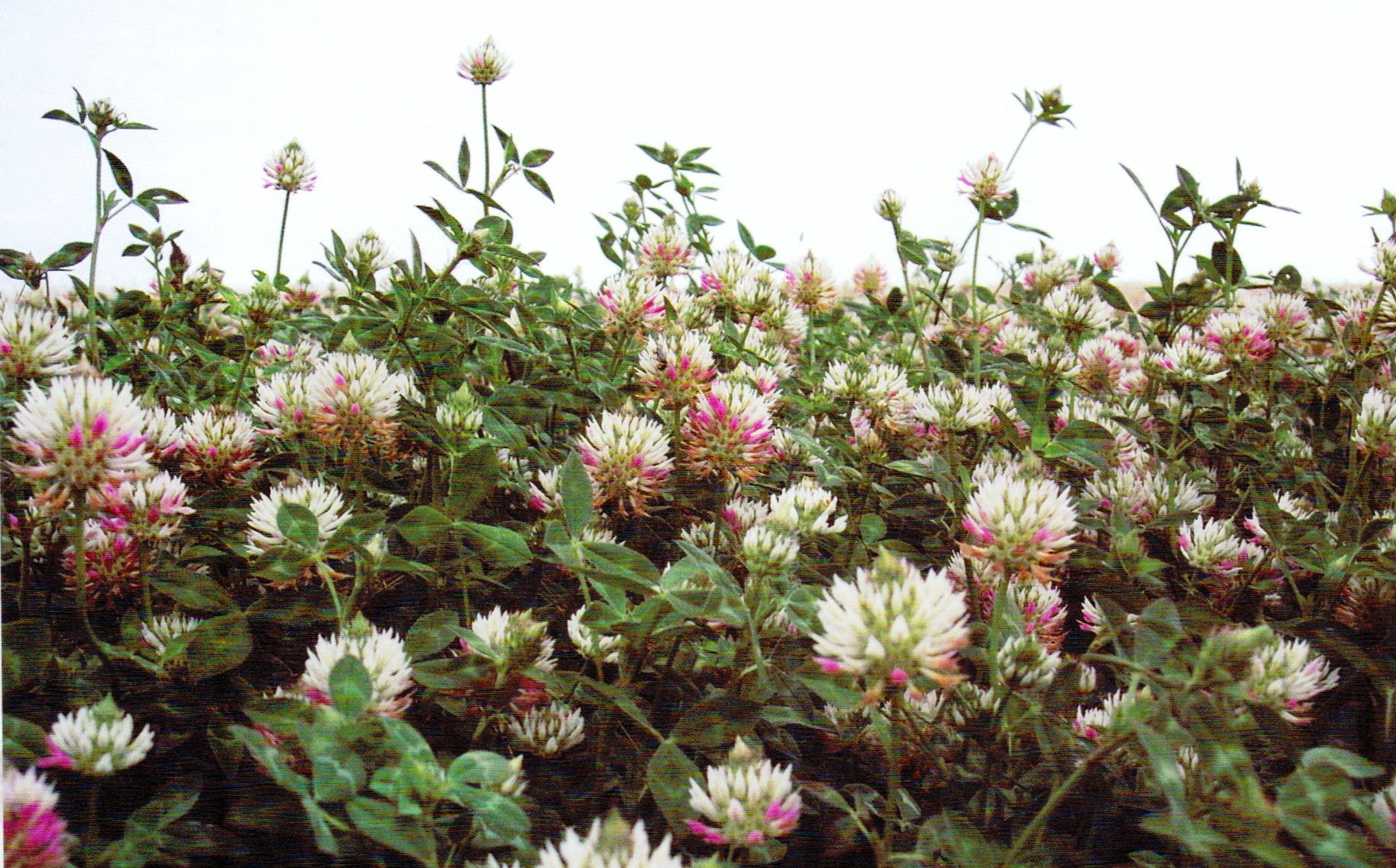 Picture: Kiwi Seed 'Arrotas' Arrowleaf Clover
Hard seeds require longer exposure to environmental conditions before water can breach the seed coat and germinate the seed. This has long been viewed as generally undesirable in New Zealand dryland pasture systems. But this characteristic is perhaps a little misunderstood.
An annual clover with a proportion of hard seed is included in a mix for a reason – greater first year growth than a perennial clover, and superior ability to withstand drought conditions. But the hard seed content can play an important role in the success of the permanent mixed species pasture too.
When establishing a mixed species pasture, often the farmer can run short on feed and will graze the new pasture before the annual clover has set seed. In this instance, the hard seed content in the original establishment sowing will be sitting ready to germinate the following autumn. No harm done!
When the perennial clover dries out and dies in drought conditions, the annual clover has already set seed; it dies as part of its life cycle anyway. There’s no coming back from death for a perennial clover, but the seed set with a proportion of hard seed from the annual clover means the farmer can graze it early, more years than not.
Hard seed has been getting a hard time – perhaps when it comes to resilient pastures we should all be softening our stance on it!
Hamish Stace - Kiwi Seed Agronomist
July 2021
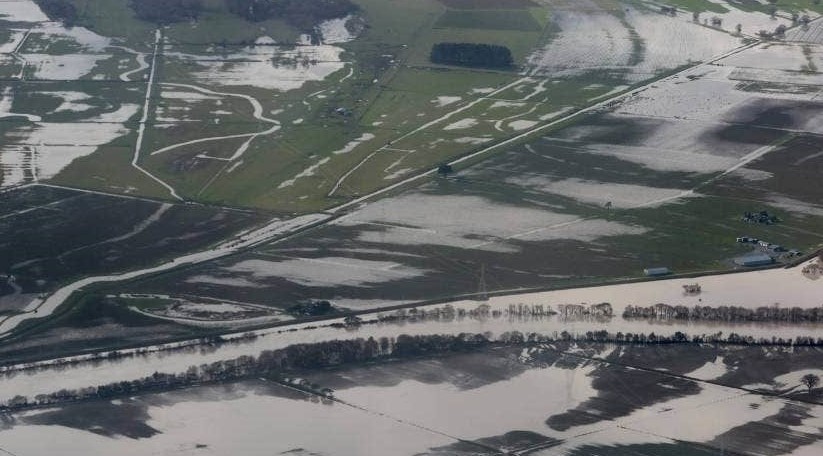
Unprecedented flooding in Marlborough has caused significant pasture, and infrastructure loss, for our farmers and growers. Many farmers have busied themselves with track repairs and cleaning up fencelines.
We have been seeing the effects out in the field, carrying out farm visits to advise on re-establishing pasture in silt covered paddocks. Silt affected pasture isn't necessarily lost - there are a range of options for working through silt problems, some of them easier than you might think.
Remarkable Rubitas Results June 2020
Clover growth is now underway for the coming season here in Marlborough. There has been little rain, but shorter daylight hours urge the plants on.
A follow up visit on a spring sown mixed species pasture near Renwick shows Rubitas red clover as a dominant clover. It is easily recognised by the large white marks on its leaf.
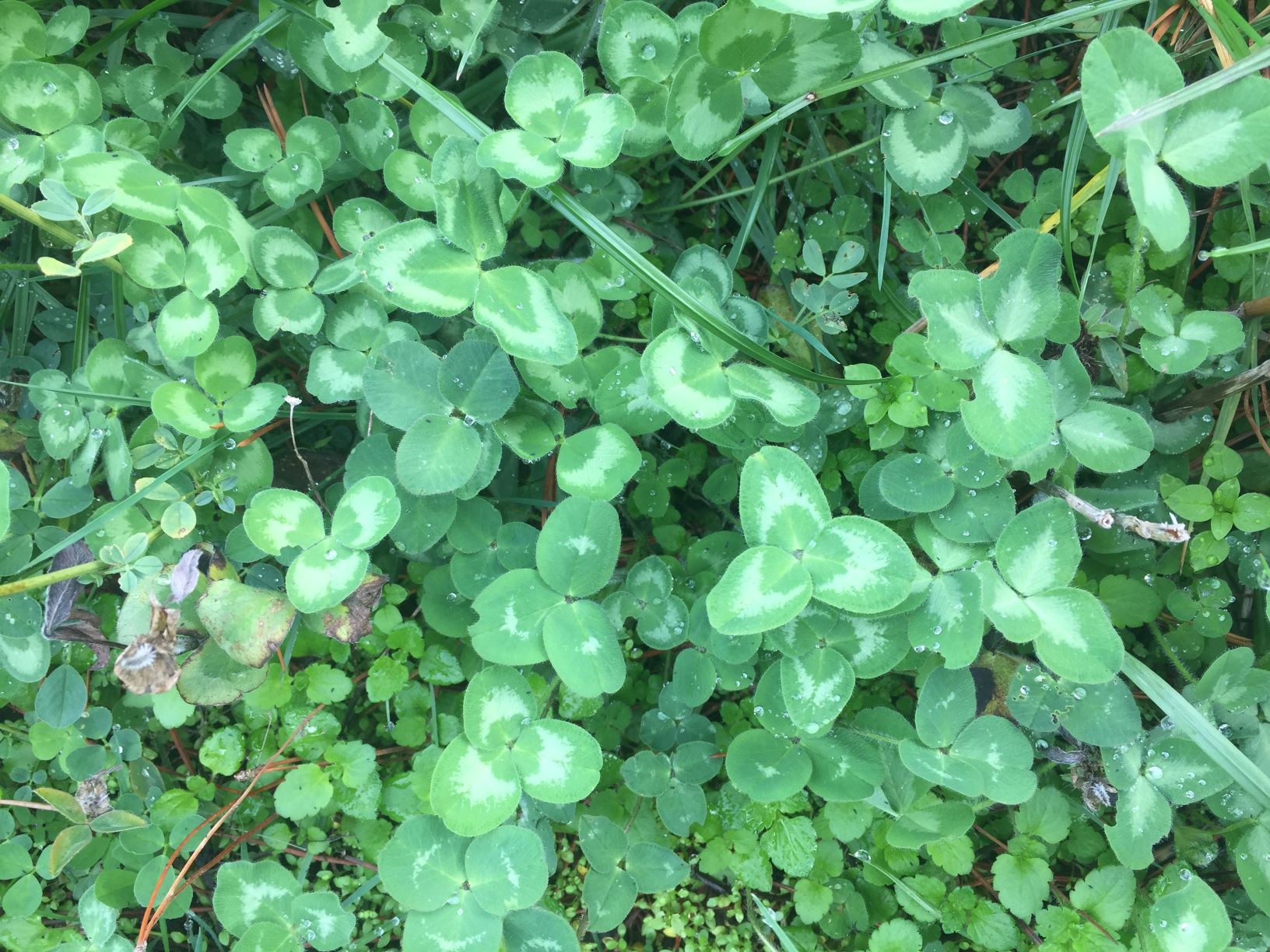
The growth on show is very impressive. This will provide nutritious feed for livestock over the coming spring and summer as red clover is rich in protein, minerals and soluble carbohydrates. Rubitas is a short, prostate red clover and as a result of this is more suitable for grazing than hay making.
The most exciting feature about rubitas is its stolons above and underneath the ground. These stolons increase the tolerance to extended periods of grazing over other red clover varieties. This, together with its deep taproot make it an ideal candidate for summer dry, east coast pastures and a great companion for cocksfoots, megatas and herbs such as plantain and chicory.
Be sure to consider Rubitas next time you come to us at Kiwi Seed to help plan a new pasture mix.