
Pasture Newsletter
- Condensed Tannin plants for Animal Health
- Benefits of Sunflowers!
- Crimson clover
- Seed Newsletter- Spring 2024
- Spring sowing options!
- Kraken Forage Barley option grows
- Plant tannins for bloat control- Jan 2024
- Seed Newsletter December 2023
- Autumn Recovery for Lucerne
- Forage Barley – The Superior Multi-Graze Cereal Forage
- Clovers for Re-Sowing Slips
- December 2021
- Multispecies Forages as Alternatives to Perennial Ryegrass
- The Benefits of Annual Clovers and Hard Seededness
- July 2021
- Remarkable Rubitas Results June 2020
- Marlborough Popcorn Harvest 2020
- Blairich visit June 2019
- January 2019
- May 2018-2
- May 2018
- March 2018-3
- March 2018-2
- March 2018
- February 2018
- November 2017
- April 2017
- March 2017
- February 2017
- January 2017
- December 2016
- December 2016 2
- June 2016
- March 2016
- November 2015
- June 2015
- March 2015
- December 2014
- November 2014
- January 2014
- December 2 2013
- December 2013
- November 2013
- October 2013
- Farm Brochure
Main Newsletter
Autumn Recovery for Lucerne
With autumn not far away now, it is a good time to start thinking about some simple steps you can take to improve the persistence of your lucerne stand.
- Allow at least 50% of the lucerne stems to have an open flower at some point between mid-summer and autumn, to encourage root recharge
- Graze if drought stops plant growth, then allow recovery after rainfall until growth stops
- Long rotation (40+ days) a couple of times between January and the end of May builds up root reserves for spring growth and increased stand persistence
Forage Barley – The Superior Multi-Graze Cereal Forage
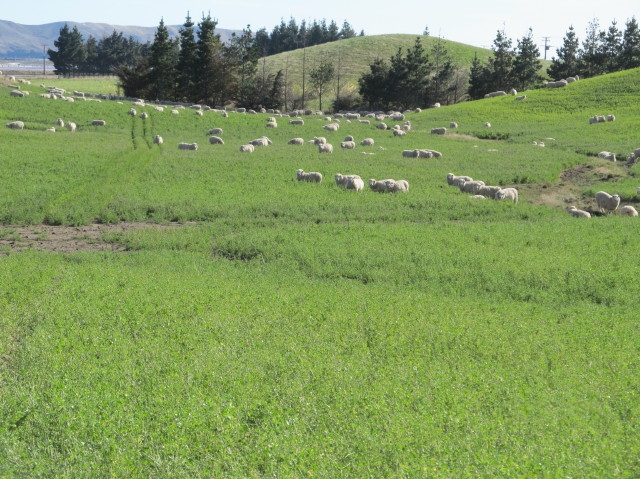
Forage barley is a crop which performs better with multiple grazings. Grazing at red-band height allows the plant to increase tillering and grow a superior yield after recovery from grazing.
Get the double benefit of the early graze(s) plus the later benefit of a higher yielding final forage, or if cutting for balage or hay.
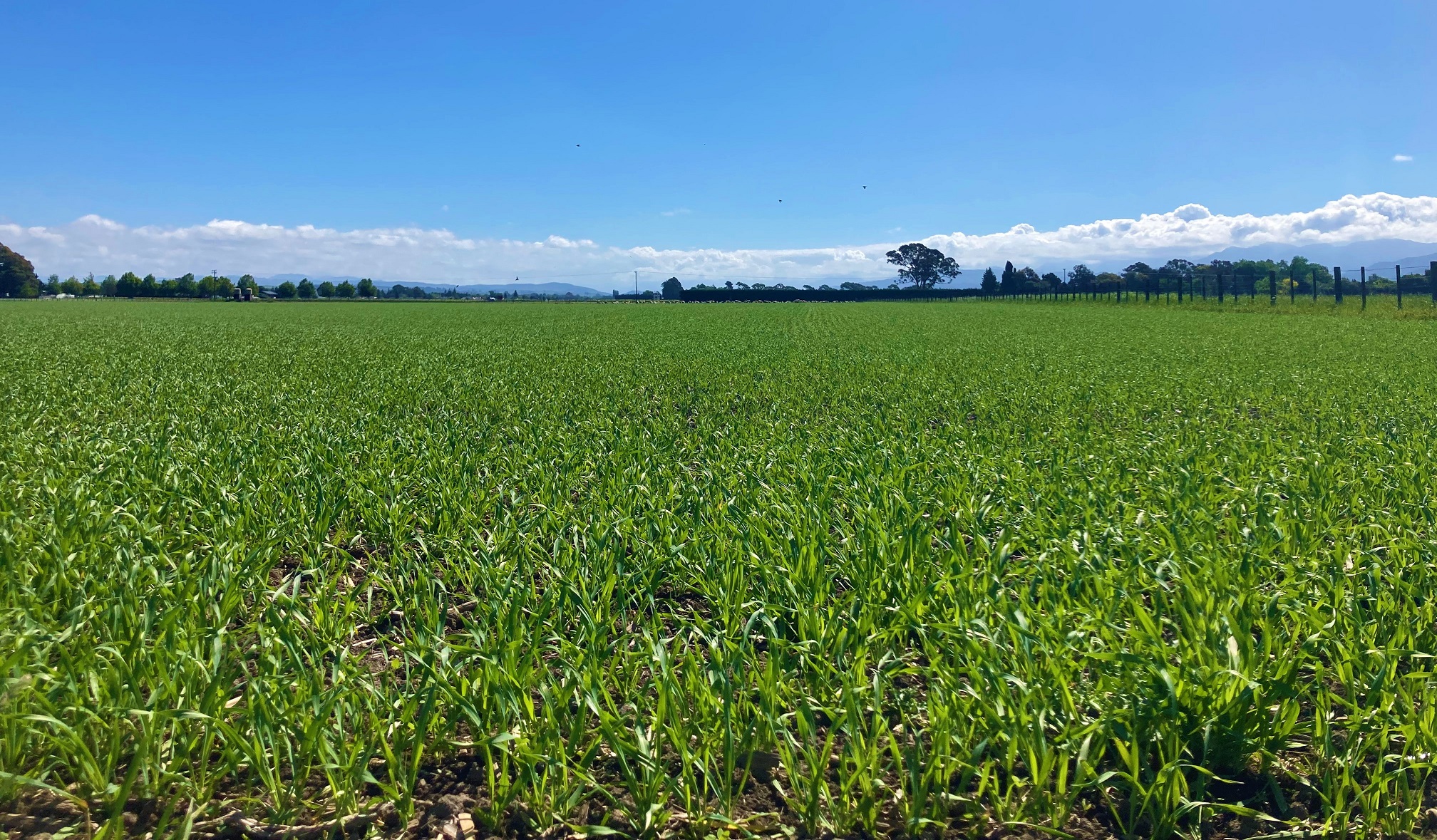
Pictured here is Kiwi Seed’s Omaka forage barley, 5 days after grazing and rolling the paddock.
Clovers for Re-Sowing Slips
What has been the result of heavy rains, earthquakes, slips and slides over much of the country?
Contractors have been busy removing dirt and trees from the roads, and after the clear up, seed mixes are hydro-seeded on to banks to re-grass these areas.
The standout plant is the clover, doing a great job restoring the clay surfaces to a growing medium, where other plants can follow.
Kiwi Seed have a range of clovers to suit most situations.
Bruce Clark

December 2021
Pateke Farms Maize and Sunflower Silage
Bruce and Hamish had a great site visit to Pateke Farms (Koromiko) to check in on their Maize and Sunflower silage crop.
Why would you sow sunflowers with silage maize?
- Improved palatability
- Improved nutrition
- Biodiversity in the field
- Soil structure improvement
- Reduced seed cost
This is an idea first tried in 2017 by Pateke Farms and continued with ever since. Sowing sunflowers one row in four is a simple way to improve your silage chop. Protein, ME and nutritional components in the sunflower seed result in improved feed quality in the resulting silage.
Sunflower seed is cheaper than maize and brings a host of benefits when done right!